


Why Mold in an Attic or Crawlspace Should Be Taken Seriously
Finding mold in an attic or crawlspace is more than a cosmetic concern. Mold growth indicates that moisture is present or has been present in the building assembly, and that underlying moisture problem needs to be addressed before the affected area is considered resolved. The EPA’s mold cleanup guidance identifies moisture control as the key to controlling indoor mold growth and recommends fixing water problems promptly rather than simply cleaning visible mold.
Attics and crawlspaces can be particularly easy to overlook because homeowners rarely inspect them. Roof leaks, plumbing problems, condensation, inadequate ventilation, elevated humidity, or moisture entering a crawlspace can create conditions where mold develops. The EPA specifically notes that moisture in crawlspaces can move into other areas of a building through cracks and openings in walls, floors, and ceilings.
For San Diego homeowners, the first step should not be covering the affected area or installing new insulation over it. The source of moisture needs to be identified, the affected materials evaluated, and the mold properly addressed.
What Should You Do First If You Find Mold?
If you discover visible mold, a musty odor, or signs of previous water damage in an attic or crawlspace, avoid disturbing the affected materials unnecessarily. Mold can grow on a variety of materials when sufficient moisture is present, and disturbing contaminated materials can spread spores into surrounding areas.
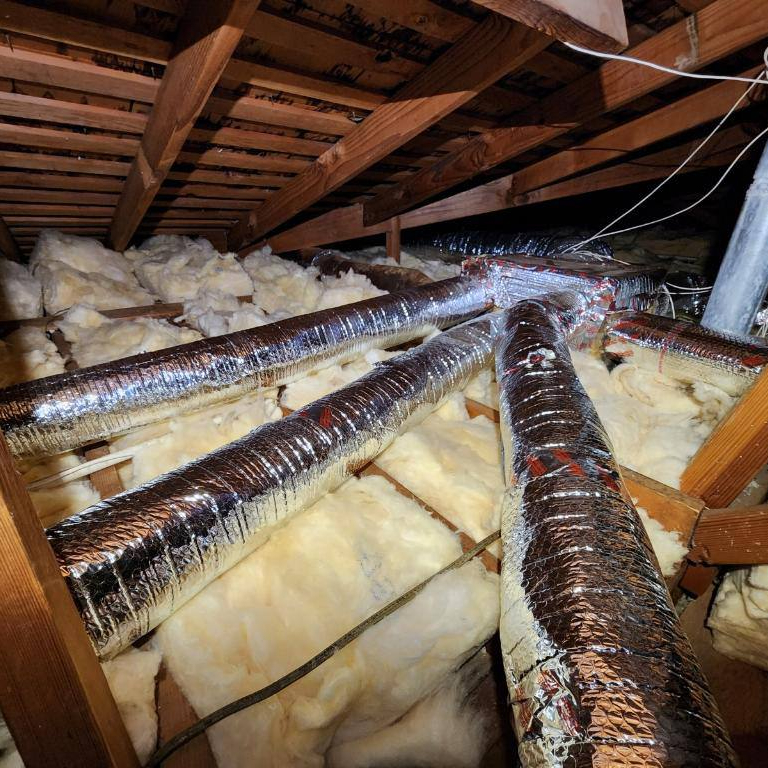
The first priority is identifying and correcting the moisture source. This could involve repairing a roof or plumbing leak, addressing condensation, correcting drainage or water intrusion, or improving moisture management in a crawlspace. Simply removing visible mold without correcting the underlying water problem can allow the growth to return.
Homeowners should also consider the condition of the insulation. Insulation that has become wet or visibly moldy may not be suitable for continued use. Porous materials can be particularly difficult to clean thoroughly because mold can penetrate spaces within the material. The EPA notes that moldy porous materials may need to be discarded and replaced rather than simply cleaned.
If the affected area is extensive, involves significant water damage, or is difficult to safely access, professional evaluation is the better approach.
Why Moldy Insulation May Need to Be Replaced
Insulation plays an important role in a home’s thermal envelope, but once insulation becomes wet or contaminated with mold, its condition needs to be carefully evaluated. Some porous insulation materials are difficult or impossible to completely clean when mold has penetrated the material. In these situations, removal and replacement may be necessary.
This is especially important in attic and crawlspace applications because insulation can remain hidden from view. A homeowner may clean a visible surface while contaminated material remains deeper within the insulation assembly.
Replacing affected insulation also provides an opportunity to correct problems that contributed to the original moisture issue. However, new insulation should not be installed until the moisture source has been addressed and the affected area has been appropriately cleaned and dried. The EPA states that mold cleanup is not considered complete until the water or moisture problem has been fixed.
Depending on the location and existing construction, an insulation professional may recommend replacement with fiberglass, spray foam, or another appropriate insulation system. The correct material depends on the building assembly, moisture conditions, ventilation requirements, and the goals of the project.
It is also important to distinguish insulation replacement from mold remediation. Replacing insulation may remove contaminated porous material, but it does not automatically resolve mold on surrounding framing, sheathing, drywall, or other building components. Those materials must be evaluated separately.
How Professional Mold Remediation and Insulation Replacement Work Together

A successful attic or crawlspace project should address both the existing mold problem and the conditions that allowed it to develop. Treating only one part of the problem can leave the home vulnerable to recurring moisture and mold.
A professional process may include:
- Inspecting the attic, crawlspace, and surrounding building components
- Identifying visible moisture intrusion or potential moisture sources
- Determining which insulation and building materials are affected
- Removing insulation that cannot be adequately cleaned or restored
- Cleaning and remediating affected areas using appropriate procedures
- Drying the affected space thoroughly
- Correcting the underlying moisture problem
- Installing replacement insulation once conditions are appropriate
- Evaluating ventilation, air sealing, and moisture-control needs
The EPA recommends drying wet materials quickly, ideally within 24 to 48 hours, to help prevent mold growth. It also recommends maintaining indoor relative humidity below 60%, with an ideal range of approximately 30% to 50%.
When Should San Diego Homeowners Call a Professional?
Not every small household mold issue requires the same level of professional intervention. The EPA notes that relatively small mold areas, generally less than about 10 square feet, can often be handled by homeowners when appropriate safety precautions are followed. Larger areas, significant water damage, or situations involving health concerns may warrant professional assistance.
Attic and crawlspace problems can be more complicated because mold may be hidden beneath or within insulation, moisture may be entering from another part of the building, and contaminated materials may be difficult to access safely. A professional evaluation can help determine whether insulation can remain in place, needs to be removed, or should be replaced after remediation.
For San Diego homeowners, addressing the issue early can also help prevent further damage to insulation and surrounding building materials. Most importantly, mold remediation should never be viewed as simply spraying or removing visible growth. The moisture source must be corrected, affected materials must be properly addressed, and the space should be dry before new insulation is installed.
Advanced Insulation System can help San Diego homeowners evaluate insulation conditions in attics and crawlspaces and determine what needs to be addressed before new insulation is installed. If you have noticed mold, musty odors, moisture damage, or deteriorated insulation, a professional assessment can help you determine the appropriate next step.
Concerned about mold or damaged insulation in your San Diego attic or crawlspace? Contact Advanced Insulation System to discuss your property and find out what steps should be taken next.


